

Proper battery care is one of the most important parts of safe and reliable drone operation. Whether you fly a consumer drone like the DJI Air 3 or an enterprise platform such as the DJI Matrice 4T, looking after your DJI Intelligent Flight Batteries correctly will improve:
Flight safety
Battery lifespan
Flight performance
Charging reliability
Long-term operational costs
This guide explains DJI battery storage, charging best practices, warning signs, temperature management, and long-term maintenance for modern DJI intelligent flight batteries.
Understanding DJI Intelligent Flight Batteries
Modern DJI drone batteries are advanced intelligent lithium-based battery systems with built-in battery management systems (BMS) that monitor:
Cell voltage
Temperature
Charging balance
Power output
Battery health
Safety protection systems
Unlike older hobby-grade RC batteries, DJI Intelligent Flight Batteries include:
Auto-discharge functions
Overcharge protection
Temperature monitoring
Cell balancing
Smart charging communication
Even with these protections, proper battery care remains critical for safety and longevity.
DJI Battery Storage Guidelines
Store DJI Batteries at 40–60% Charge
For long-term storage, DJI Intelligent Flight Batteries should ideally be stored around:
40–60% charge
This places the battery in a chemically stable mid-range voltage zone that reduces stress on internal battery components.
At storage charge:
Internal chemical degradation slows
Heat stress is reduced
Cell longevity improves
Capacity retention remains higher over time
DJI batteries include an automatic discharge function that slowly lowers battery percentage after several days of inactivity, but storing batteries correctly yourself is still best practice.
Store Batteries in a Cool, Dry Location
Recommended Storage Temperature:
15–25 °C
Heat is one of the biggest causes of long-term lithium battery degradation.
High temperatures accelerate:
Capacity loss
Internal resistance growth
Chemical wear
Battery ageing
Avoid storing batteries:
Inside vehicles
In direct sunlight
In sheds with extreme heat
Near heaters or windows
Humidity can also corrode battery contacts and connectors over time.
A climate-controlled indoor environment is ideal.
Never Store DJI Batteries Fully Charged
Keeping lithium batteries at 100% charge for extended periods places the cells under maximum internal stress.
Long-term full-charge storage can cause:
Permanent capacity loss
Reduced flight time
Faster battery ageing
Increased cell imbalance over time
Likewise, storing batteries completely drained can push cell voltage too low, potentially damaging the battery permanently.
For long-term health:
Avoid storing batteries fully charged or fully depleted.
DJI Battery Charging Best Practices
Use Official DJI Chargers
DJI Intelligent Flight Batteries use smart charging communication between:
Charger
Battery management system
Individual cells
Official DJI chargers are designed specifically to:
Balance cells correctly
Regulate charging current
Monitor temperatures safely
Low-quality third-party chargers may:
Charge unevenly
Generate excessive heat
Reduce battery lifespan
Increase charging risk
Using non-approved chargers may also affect warranty claims if charging-related damage occurs.
Charge Batteries in a Fireproof Location
Although genuine DJI battery failures are rare, lithium battery fires can be extremely dangerous if thermal runaway occurs.
Best practice is to charge batteries:
In a fireproof container
Inside a Li-ion safe bag
On non-flammable surfaces
Away from combustible materials
This is especially important when charging:
Multiple batteries simultaneously
Large enterprise batteries
Batteries after heavy flight use
Never Leave Batteries Charging Unattended
Most battery charging failures occur during the charging process itself.
Always remain nearby while charging so you can react quickly if you notice:
Excessive heat
Swelling
Strange odours
Smoke
Charger faults
Early intervention can prevent serious damage or fire risk.
Allow Batteries to Cool Before Charging
Charging a hot battery immediately after flight places additional stress on already-warm cells.
This increases:
Chemical wear
Internal resistance
Battery ageing
Cell imbalance risk
After flight:
Allow batteries to cool to ambient temperature before charging.
Likewise, allow batteries to cool slightly after charging before flying.
DJI Drone Battery Usage Tips
Avoid Deep Discharges Below 20%
Frequently running batteries very low places additional stress on lithium cells.
As battery voltage drops:
Internal resistance rises
Voltage sag increases
Heat generation rises
Battery wear accelerates
For best long-term battery health:
Land with approximately 20–30% remaining.
This balance provides:
Good operational flight time
Improved battery longevity
Reduced stress on the cells
Avoid Flying in Extreme Temperatures
Lithium batteries are highly temperature sensitive.
Cold Weather
In cold conditions:
Voltage drops faster
Available power decreases
Flight time reduces
Low-voltage warnings can occur unexpectedly
If operating below 10 °C:
Warm batteries before flight
Hover briefly before aggressive manoeuvres
Monitor voltage carefully
Hot Weather
In extreme heat:
Battery degradation accelerates
Overheating risk increases
Battery lifespan shortens significantly
Avoid leaving batteries:
Inside hot vehicles
In direct sun
On dashboards or ute trays
Land Immediately if a Battery is Damaged or Swollen
Battery swelling or puffing indicates internal chemical breakdown and gas generation.
A swollen battery should:
Be retired immediately.
Do not:
Continue flying
Attempt repair
Puncture the battery
Dispose of it in household waste
Store damaged batteries in a fireproof location and follow local disposal regulations.
Should You Fully Cycle DJI Batteries?
Performing a full charge-discharge cycle periodically can help the battery management system maintain accurate battery percentage readings.
This can be useful after:
Long periods of partial charging
Extended storage
Noticeable percentage inconsistencies
Modern DJI batteries manage calibration very well automatically, so frequent forced cycling is generally unnecessary.
Warning Signs of DJI Battery Problems
Swelling or Puffing
Visible swelling indicates internal battery degradation.
Common causes include:
Age
Heat exposure
Over-discharge
Physical damage
Retire swollen batteries immediately.
Excessive Heat During Charging
Warm batteries are normal during charging.
However, if a battery becomes:
Extremely hot
Uncomfortable to hold
Rapidly overheating
disconnect it immediately and inspect for faults.
Reduced Flight Time
A noticeable reduction in flight duration often indicates battery wear.
Examples:
Previously achieving 30 minutes
Now only achieving 18–20 minutes
Check:
Battery cycle count
Cell voltage balance
Battery health status in DJI Pilot 2 or DJI Fly
Batteries with heavily reduced capacity should be retired from operational use.
Physical Damage
Cracks, dents, punctures, or impact damage can compromise battery safety.
Even minor casing damage may:
Allow moisture ingress
Cause hidden internal damage
Create future short-circuit risks
If a battery has suffered impact damage:
Retire it immediately.
Best DJI Battery Practices for Enterprise Operations
For enterprise operators using aircraft like the DJI Matrice 4T, battery management becomes even more important because of:
Larger battery systems
Higher operational loads
Remote operations
Heat exposure
Frequent flight cycles
Good battery habits reduce:
Unexpected downtime
Mission interruptions
Safety risks
Long-term replacement costs
DJI Drone Battery FAQ
Should DJI batteries be stored fully charged?
No. DJI Intelligent Flight Batteries should ideally be stored around 40–60% charge to reduce long-term chemical stress and improve battery lifespan.
Why do DJI batteries auto-discharge?
DJI batteries automatically discharge after several days of inactivity to move the battery toward a safer storage voltage range.
How long can DJI batteries sit unused?
When stored correctly at storage charge in a cool environment, DJI batteries can typically remain unused for several months safely.
Is it safe to leave DJI batteries charging overnight?
It is not recommended. Although DJI batteries include multiple safety systems, batteries should ideally be monitored while charging.
What temperature is too hot for DJI batteries?
Battery degradation increases significantly in temperatures above approximately 40 °C. Avoid leaving batteries in vehicles or direct sunlight.
Can cold weather damage DJI batteries?
Cold weather reduces battery performance temporarily and can increase voltage sag under load. Always warm batteries before aggressive flight in cold conditions.
What should I do if a DJI battery swells?
Stop using it immediately. Store it in a fireproof location and dispose of it according to local lithium battery disposal regulations.
Do DJI batteries need full discharge cycles?
Modern DJI batteries manage calibration automatically very well. Occasional full cycles may help maintain accurate percentage readings, but frequent forced cycling is generally unnecessary.
Important DJI Battery Safety Notice
If you notice:
Swelling
Excessive heat
Physical damage
Sudden performance loss
Battery errors in DJI Pilot 2 or DJI Fly
stop using the battery immediately.
Do not attempt to:
Repair the battery
Continue charging
Fly with a compromised pack
Store damaged batteries safely away from flammable materials and contact DJI support or your authorised dealer for disposal guidance.
Final Thoughts
Good battery management is one of the easiest ways to improve:
Flight safety
Battery lifespan
Operational reliability
Long-term drone performance
Whether you fly a DJI Air 3 recreationally or operate a DJI Matrice 4T professionally, proper charging, storage, and temperature management will significantly extend the life of your DJI Intelligent Flight Batteries.
Simple habits consistently outperform complicated battery routines:
Store correctly
Avoid heat
Don’t over-discharge
Monitor battery health regularly
Retire damaged batteries immediately
Featured in this guide
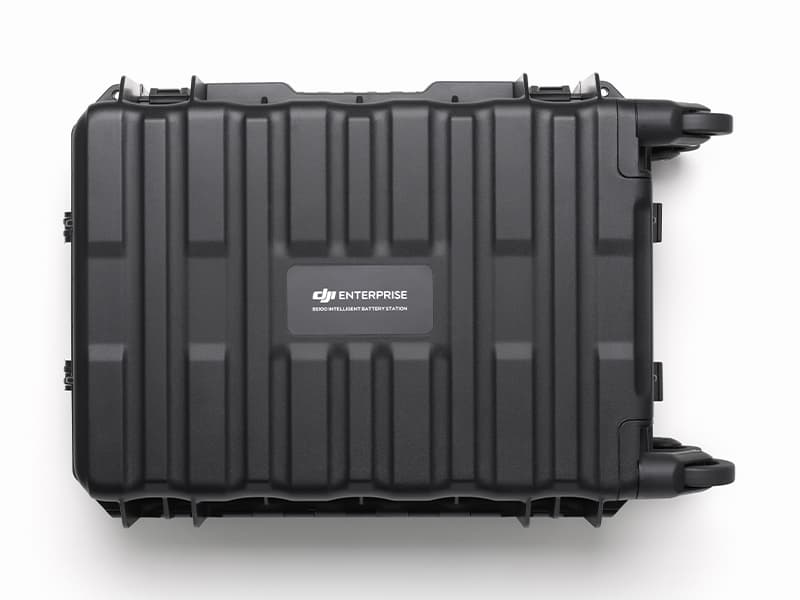
BS100 Intelligent Battery Station
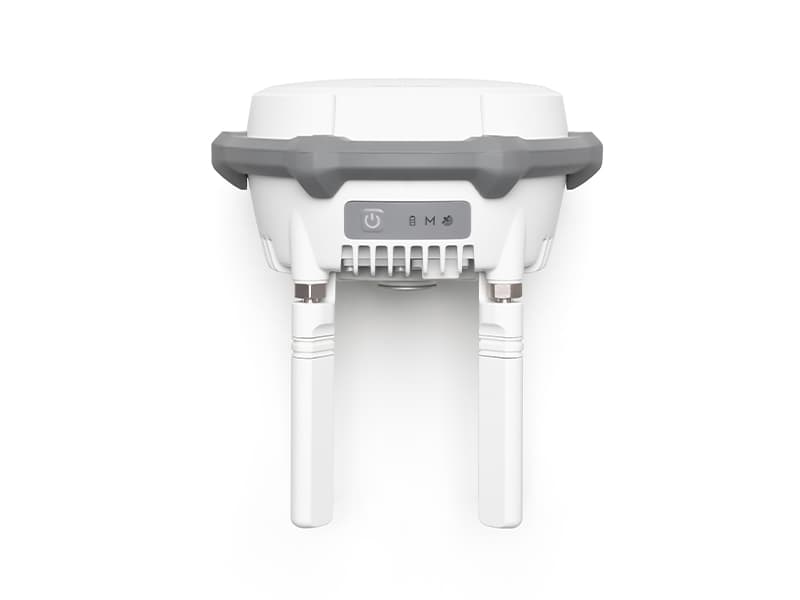
D-RTK 3 Multifunctional Station
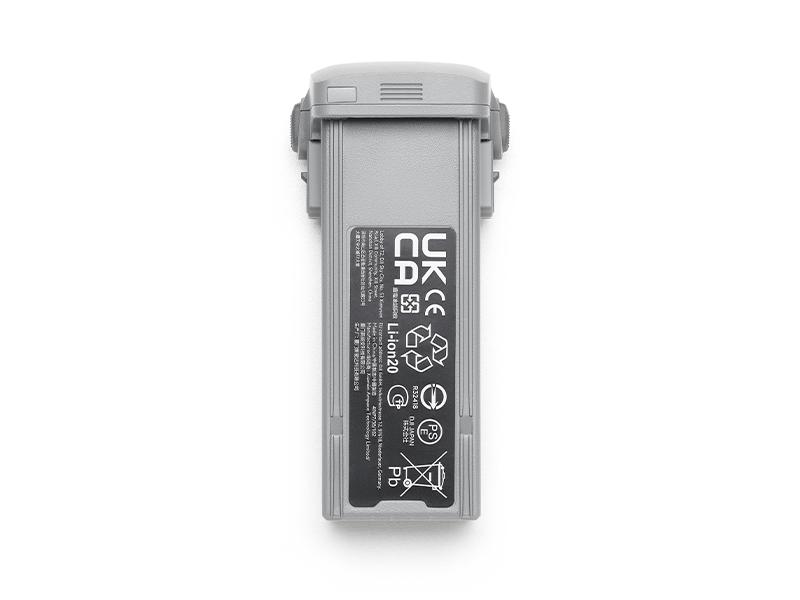
DJI Air 3S Intelligent Flight Battery
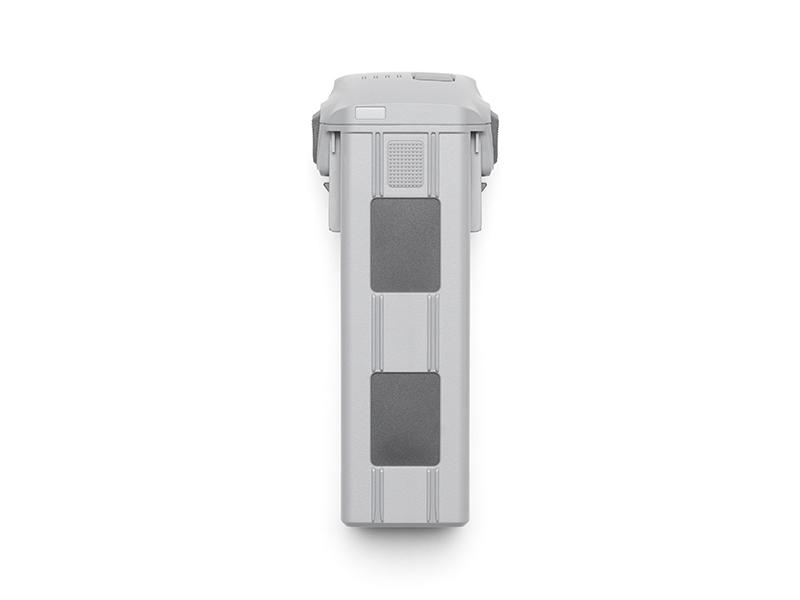
DJI Matrice 4 Series Battery
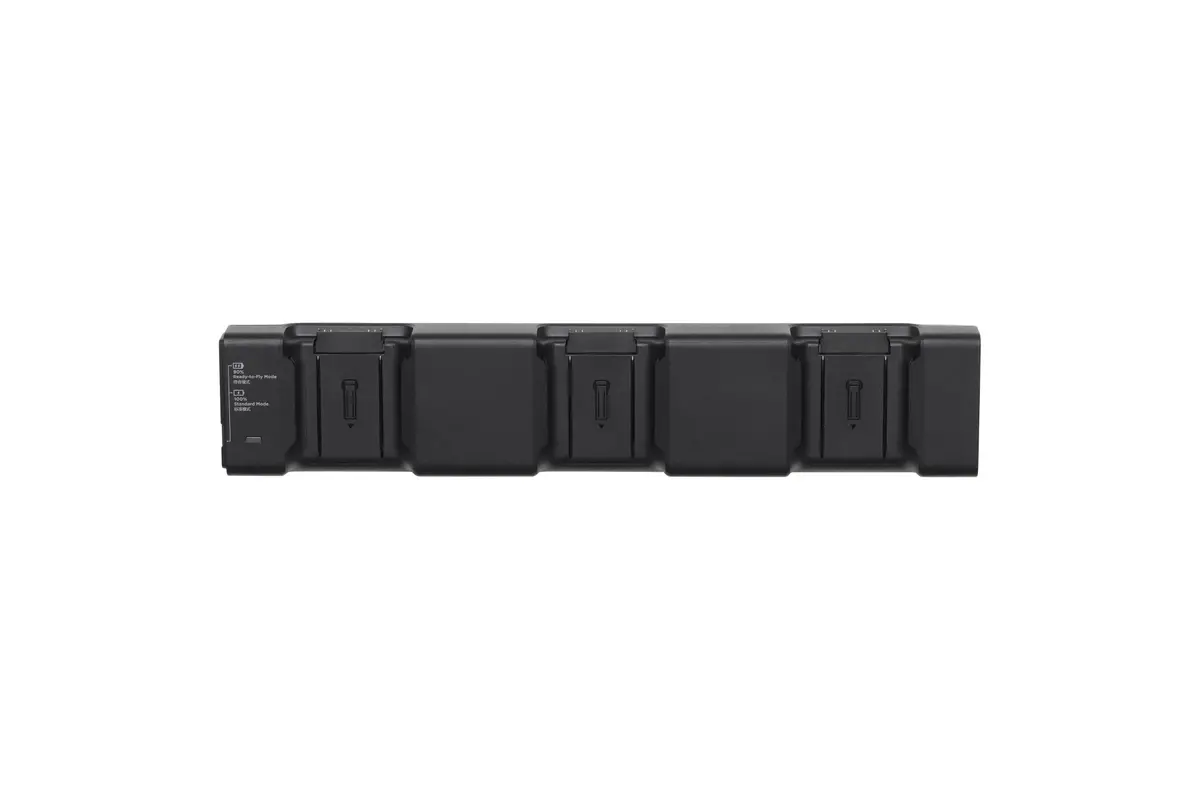
DJI Matrice 4 Series Battery Charging Hub
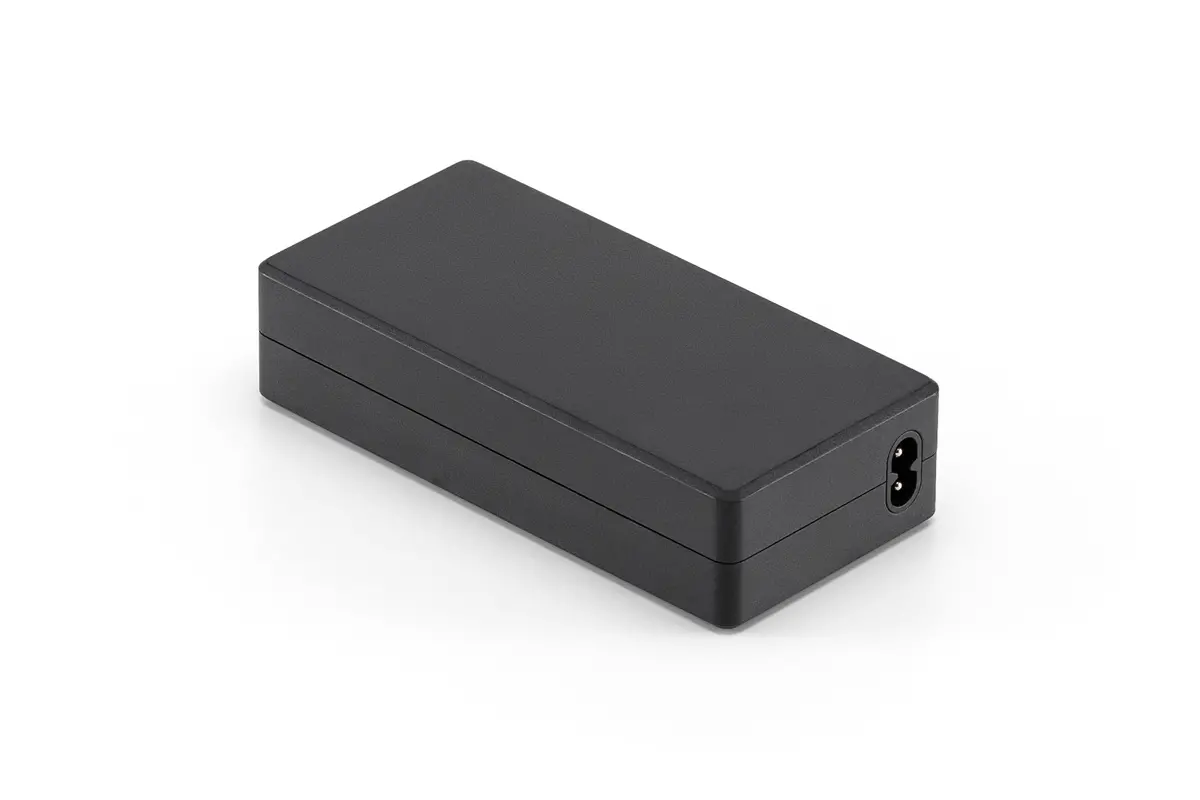
DJI Mavic 240W Power Adapter
Was this article helpful?
Your feedback helps us improve our documentation