
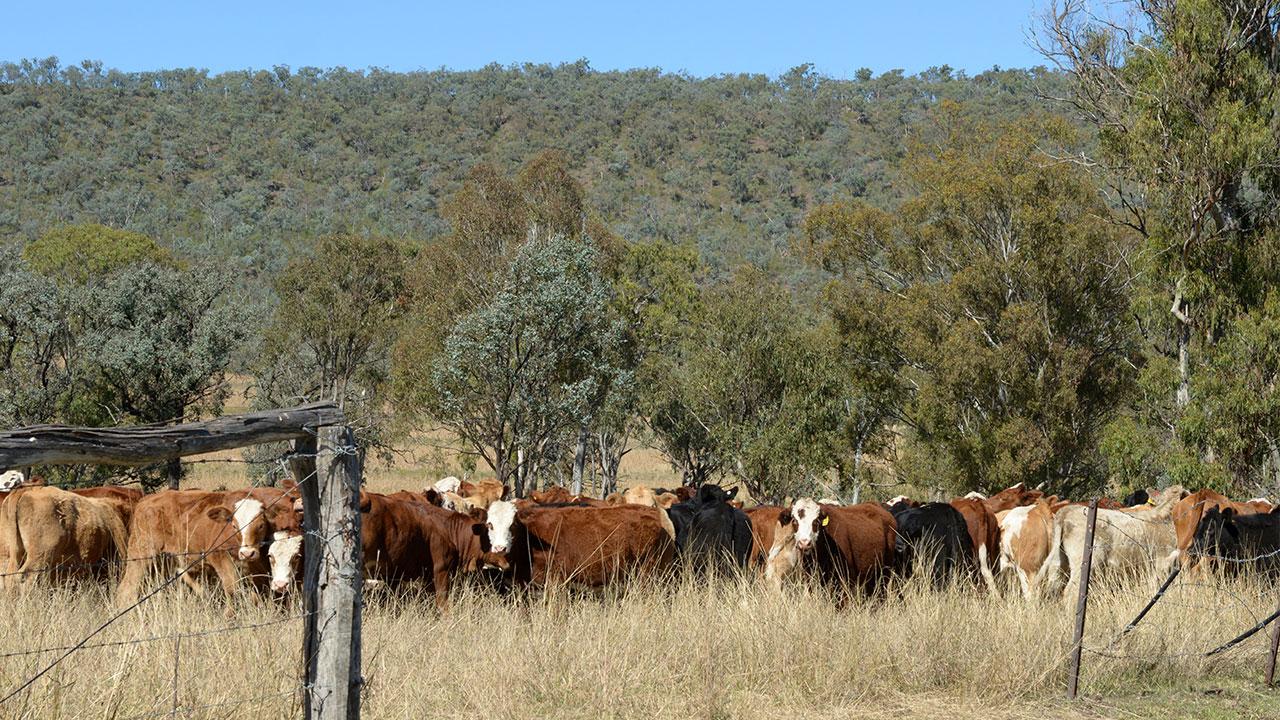
A drone isn’t automatically calm to livestock. Flown badly — too low, too fast, never letting up — it can stress animals. Flown with low-stress handling principles, it can be the calmest tool in the shed. The difference is method.
Why “used well” compares bikes, dogs and choppers
When used correctly, all mustering methods can be highly effective. Drones are not about replacing good stockmanship — they are another tool that can assist in applying calm, controlled pressure to livestock. One of their major advantages is the ability to influence animal movement from a distance, while instantly adjusting or removing pressure when needed. Combined with the aerial perspective, this can make drones a very effective tool for low-stress livestock handling and improving situational awareness during a muster.
The principles, applied to drone work
Pressure and release: apply just enough pressure to start movement, then take it away the moment stock respond. Release is the reward that keeps them calm and responsive.
Flight zone and point of balance: position the drone relative to the mob to influence direction, the same as you would on foot or horseback.
Calm, deliberate movement: smooth inputs, steady height, no sudden dashes.
The payoff — welfare and the bottom line
Low-stress handling isn’t just kind; it pays. Calmer stock means better weight gain, better fertility, fewer injuries and easier yard work. Welfare and productivity pull in the same direction.
This is SkyKelpie’s core philosophy — it’s how we muster for a living.
Learn the method properly: the SkyKelpie Aerial Stockmanship Course.
Featured in this guide
Was this article helpful?
Your feedback helps us improve our documentation